

Cultural perspectives shape how individuals view the world, influencing everything from their daily decisions to their life goals. Imagine navigating a buffet of beliefs, values, and traditions where each dish offers a unique flavor. That’s the beauty of cultural perspectives—each one adds a distinct spice to the human experience.
Understanding Cultural Perspectives
Cultural perspectives shape individual worldviews and influence behaviors significantly. Richness arises from the variety of beliefs, values, and traditions. Understanding this diversity fosters empathy and collaboration. Every culture offers unique insights into human experiences.
Values form the foundation of cultural perspectives. Individual beliefs guide everyday choices, impacting personal goals and aspirations. Traditions shape practices that are maintained across generations. For instance, culinary customs often reflect deeper cultural narratives, showcasing histories and identities.
Communication styles vary significantly across cultures. Directness or indirectness in conversation affects interpersonal relationships. Understanding context helps navigate these differences effectively. Additionally, societal norms surrounding respect, authority, and community obligations differ, influencing interactions.
Perceptions of time also differ based on cultural background. Some cultures prioritize punctuality, while others view time more fluidly. This variation can affect business relationships and social engagements. Recognizing these differences is crucial for successful collaboration in diverse environments.
Cultural perspectives create a rich tapestry of human experience. Engaging with various viewpoints expands understanding and promotes inclusive communities. Exposure to different cultural narratives enhances creativity and innovation, driving personal and professional growth.
Impact of Culture on Identity
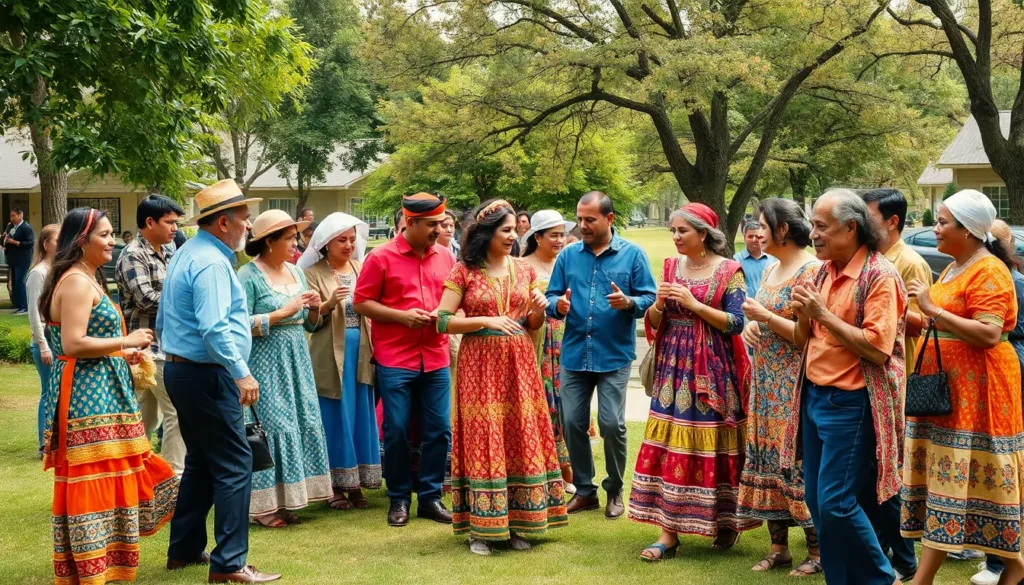
Culture significantly shapes individual and collective identities, influencing perceptions, behaviors, and interactions in daily life.
Personal Identity
Personal identity develops through cultural influences. Values from family, upbringing, and social environments play vital roles in shaping beliefs. Unique experiences in various cultural contexts create rich tapestries of personal narratives. For instance, someone raised in a collectivist culture may prioritize community over individual aspirations. Additionally, cultural traditions impart knowledge and skills that align with identity formation. Embracing these influences fosters a deeper understanding of self. Individuals with strong cultural ties often exhibit increased self-esteem and resilience. Ultimately, culture provides essential frameworks for personal identity development.
Collective Identity
Collective identity emerges from shared cultural experiences among groups. Common traditions, languages, and beliefs contribute to a sense of belonging. Individuals feel connected through this identity, influencing group dynamics and social interactions. For example, members of ethnic communities often celebrate similar customs that reinforce their collective identity. Shared cultural narratives encourage unity and solidarity, especially during challenging times. Communication styles and societal norms reinforce group cohesion, shaping interactions both within and outside the community. Collective identity often plays a crucial role in promoting social movements and advocating for change. Through culture, groups can cultivate pride and strengthen their collective voice.
Cultural Perspectives in Communication
Cultural perspectives significantly influence communication styles, shaping interactions in diverse settings.
Verbal Communication
Verbal communication varies widely across cultures. Language nuances can affect meanings, causing misunderstandings. For instance, certain phrases in one culture may carry different connotations in another. Individuals from high-context cultures often rely on implied meanings rather than direct statements. By contrast, those from low-context cultures prioritize explicit and clear language. Accents, dialects, and even humor play essential roles in verbal exchanges. It’s vital to adopt culturally sensitive language to promote understanding and reduce barriers. Recognizing the impact of cultural context on conversations fosters more effective dialogue.
Nonverbal Communication
Nonverbal communication also varies across cultures. Body language, facial expressions, and gestures convey messages beyond words. In some cultures, maintaining eye contact signifies confidence, while in others, it may appear disrespectful. Proximity during conversations can differ, with certain cultures favoring close interactions and others valuing personal space. Furthermore, the interpretation of gestures can shift dramatically; a sign viewed positively in one culture might be offensive in another. Understanding these nonverbal cues is crucial for effective communication, as they provide context and enhance interpersonal connections.
Cultural Perspectives in the Workplace
Cultural perspectives significantly shape workplace dynamics. They influence how individuals interact and drive organizational success.
Diversity and Inclusion
Diversity and inclusion foster an environment where all voices matter. Organizations that prioritize diverse perspectives benefit from increased creativity and innovation. Employees bring unique experiences and solutions that address complex problems. Inclusive practices create a sense of belonging, enhancing employee satisfaction and retention. According to McKinsey, companies in the top quartile for racial and ethnic diversity are 35% more likely to outperform their industry averages. Acknowledging cultural differences cultivates empathy, which strengthens workplace relationships. Successful diversity programs incorporate training on unconscious bias, making individuals aware of their assumptions.
Team Collaboration
Team collaboration thrives on understanding cultural differences. Collaborative teams that recognize diverse communication styles foster stronger connections. Members with different backgrounds contribute varied approaches, enhancing problem-solving capabilities. A positive team environment encourages open dialogue and knowledge sharing. Research shows that multicultural teams consistently produce more creative outcomes. Leaders play a crucial role in establishing norms that value every team member’s insights. Establishing guidelines for effective communication can mitigate misunderstandings. By adapting to various work styles, teams can leverage their collective strengths, leading to successful project outcomes.
Embracing diverse cultural perspectives enriches personal and collective experiences. It fosters empathy and collaboration while enhancing communication and understanding in various settings. By recognizing and valuing these differences, individuals and organizations can create inclusive environments that drive innovation and creativity.
Cultural awareness not only strengthens interpersonal relationships but also promotes resilience and unity within communities. As people navigate an increasingly interconnected world, the ability to appreciate and adapt to different cultural narratives becomes essential for personal growth and professional success. Engaging with a variety of viewpoints ultimately leads to a more harmonious and dynamic society.