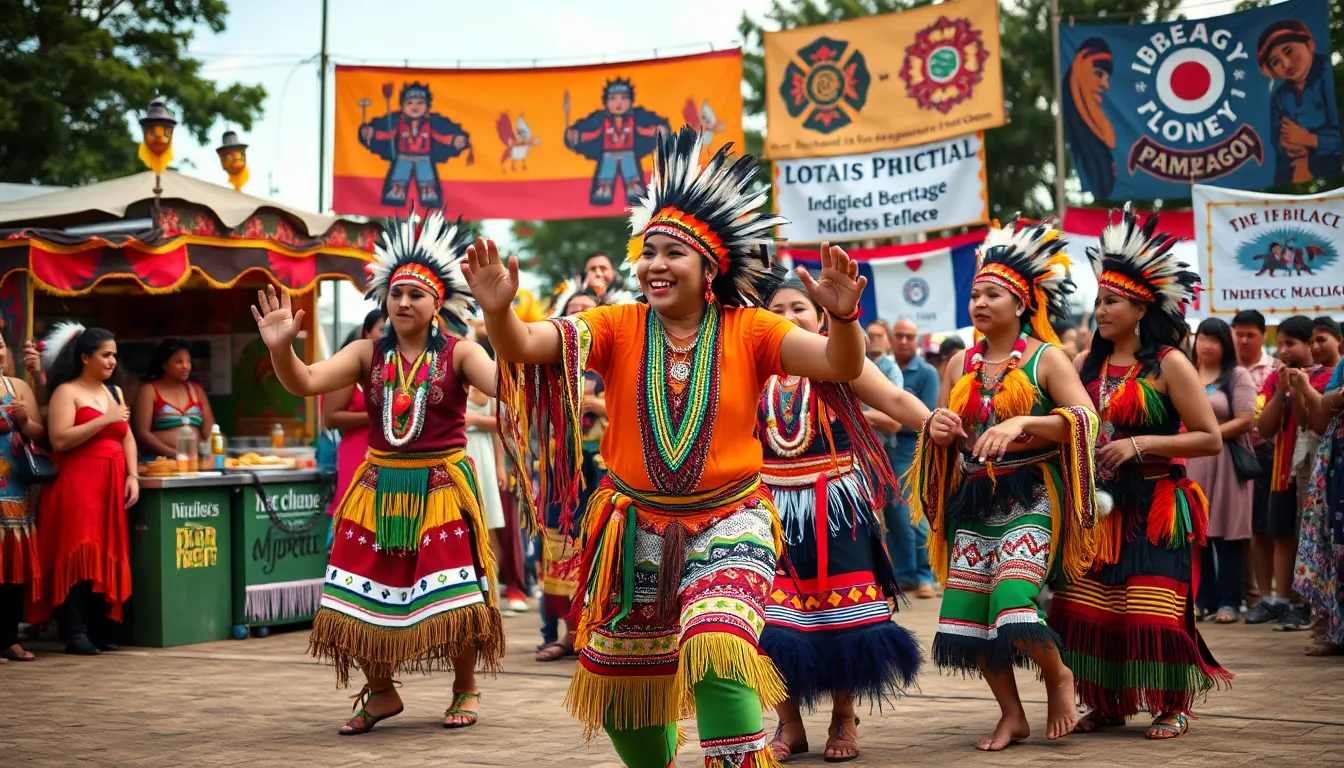

Indigenous festivals are vibrant celebrations that offer a glimpse into the rich tapestry of cultural heritage. They’re not just parties; they’re living histories filled with stories, traditions, and a whole lot of joy. From colorful dances to mouthwatering traditional foods, these festivals invite everyone to join in and experience the magic of community spirit.
Understanding Indigenous Festivals
Indigenous festivals represent vibrant expressions of cultural heritage. These events provide an opportunity to engage with living histories, embracing stories and traditions that have passed through generations. Participation in these celebrations invites individuals to experience the unique sense of community and shared joy that defines them.
Traditional food stands play a crucial role in various festivals, featuring regional delicacies that reflect history and resourcefulness. Dancers adorned in colorful attire captivate audiences, showcasing traditional art forms that convey deep cultural significance. Many festivals incorporate storytelling sessions, where elders share rich narratives that embody the values and lessons of their people.
Activities at festivals often include crafting workshops, where artisans demonstrate skills that have been preserved over centuries. Art forms such as beadwork and weaving not only highlight individual creativity but also reinforce collective identity. Youth involvement fosters a sense of continuity, ensuring younger generations connect with and celebrate their heritage.
Throughout North America, events like powwows bring diverse tribes together, enabling participants to honor traditions and strengthen community bonds. Each festival varies in significance, with some celebrating seasonal changes, historical events, or spiritual practices. Inviting the wider community to join creates an inclusive atmosphere that encourages cultural exchange, understanding, and respect.
By attending these festivals, spectators gain insight into the rich tapestry of Indigenous life. The celebrations serve as a reminder of resilience and a testament to thriving communities rooted in tradition and spirituality. Embracing Indigenous festivals contributes to a broader appreciation of cultural diversity in today’s society.
Cultural Significance
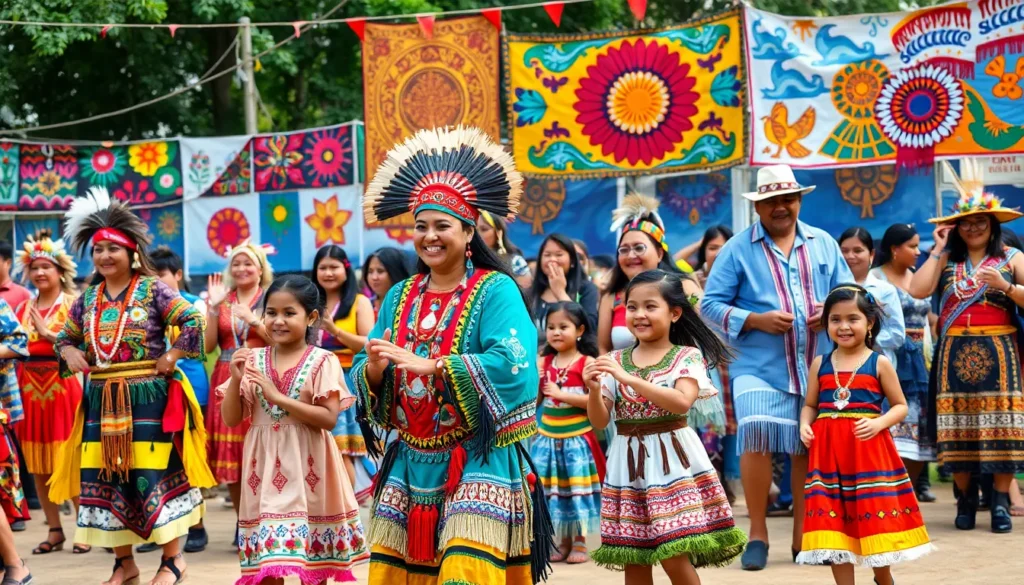
Indigenous festivals hold deep cultural significance, acting as vital expressions of community identity and heritage. These celebrations serve as focal points for connecting Indigenous peoples to their roots.
Connection to Identity
Identity emerges through shared experiences at festivals. Community members engage in traditional dances, rituals, and storytelling, fostering a sense of belonging and pride. Each participant embodies the values and customs of their ancestors, reinforcing their cultural lineage. Local Indigenous youth frequently take part, ensuring future generations appreciate their history. Festivals become platforms for reaffirming identity, as attendees celebrate their distinct cultural narratives while building bridges with others.
Preservation of Traditions
Traditions thrive during Indigenous festivals. Artisans demonstrate age-old crafting techniques, showcasing skills passed through generations. Culinary heritage shines, with traditional foods reaffirming communal bonds and highlighting regional flavors. Storytelling sessions allow elders to share significant narratives, preserving history and lessons for younger audiences. Each festival contributes to the preservation of distinct practices, ensuring they remain relevant in contemporary society. These vibrant celebrations maintain the continuity of cultural traditions, anchoring communities in their historical narrative.
Major Indigenous Festivals
Indigenous festivals play a crucial role in celebrating community, identity, and heritage. Each festival uniquely contributes to maintaining traditions and strengthening bonds among tribes.
Celebration of the Harvest
Harvest festivals embody gratitude and abundance within Indigenous cultures. Communities come together to celebrate the fruits of their labor, often marked by traditional dances, feasts, and storytelling. Participants celebrate not just the harvest itself, but also the connection to the earth and the cycles of nature. Regional foods take center stage, showcasing local produce and culinary traditions. Dancers perform in colorful regalia to express their appreciation for the land, creating a festive atmosphere filled with joy and togetherness. The age-old rituals serve as reminders of the importance of sustainable practices and respect for the environment.
Spiritual Ceremonies
Spiritual ceremonies form an essential part of Indigenous festivals, deeply rooted in cultural beliefs and practices. They often include rituals meant to honor ancestors, seek guidance, or celebrate life transitions. Sacred songs and chants resonate through the gatherings, creating profound connections among participants. Elders share teachings that reinforce spiritual values and community ethics. Each ceremony highlights the importance of spirituality in daily life, inviting individuals to reflect on personal and communal journeys. The atmosphere fosters a profound sense of peace, allowing attendees to connect with spirituality while nurturing a bond with history and heritage.
The Role of Community
Indigenous festivals thrive on the strength of community, creating a vibrant atmosphere that fosters connection and celebration.
Participation and Inclusivity
Embracing a spirit of inclusivity, these festivals welcome all attendees, inviting them to partake in rich traditions. Diverse participants experience cultural exchange through shared activities such as traditional dancing, crafting, and feasting. Local communities often take the lead, showcasing their heritage while inviting outsiders to contribute their perspectives. Open participation encourages mutual respect and understanding, breaking down cultural barriers. By inviting everyone, festivals promote a greater appreciation of Indigenous cultures, cultivating a sense of belonging among attendees.
Intergenerational Knowledge Transfer
Intergenerational knowledge transfer remains a cornerstone of Indigenous festivals, reinforcing bonds between youth and elders. Elders share valuable lessons and stories, ensuring cultural wisdom persists through generations. Young attendees engage directly with traditions, forging connections to their heritage. As they participate in storytelling, crafting workshops, and traditional performances, youth gain insights into their community identity. Festivals provide a platform for elders to mentor the younger generation, preserving languages, stories, and techniques. This exchange nurtures pride in heritage, securing cultural continuity for future generations.
Modern Impacts on Indigenous Festivals
Modern influences shape Indigenous festivals significantly. These events adapt to changing social dynamics, integrating contemporary elements. Artisans often incorporate modern techniques into traditional crafts, enhancing overall appeal. Many younger participants introduce fresh ideas, broadening the festival experience while respecting cultural roots.
Adaptation and Change
Adaptation plays a crucial role in the evolution of Indigenous festivals. Changes in community structures and external pressures influence how traditions are presented. Organizers increasingly blend modern themes with time-honored practices, ensuring relevance amidst societal shifts. Efforts to engage younger generations lead to innovative performances and art, all while honoring ancestral customs. This blend creates a dynamic environment that resonates with diverse audiences.
Global Awareness and Participation
Global awareness enhances participation in Indigenous festivals. Many festivals attract international attention, fostering cross-cultural exchange. Tourists often seek authentic experiences, leading to increased interest in festival activities. Local tribes benefit from exposure, as attendees gain insight into Indigenous histories and practices. Enhanced participation encourages dialogue and understanding, vital for preserving cultural legacies in a rapidly changing world.
Indigenous festivals embody the spirit of community and cultural heritage. They foster connections between generations and invite everyone to partake in vibrant traditions. By celebrating these events, individuals not only honor the past but also contribute to the preservation of rich narratives and practices.
As these festivals continue to evolve, they adapt to modern influences while remaining rooted in their cultural significance. This adaptability ensures that Indigenous traditions remain relevant and accessible to all. Engaging with Indigenous festivals enriches understanding of diverse cultures and reinforces the importance of collective identity and resilience.