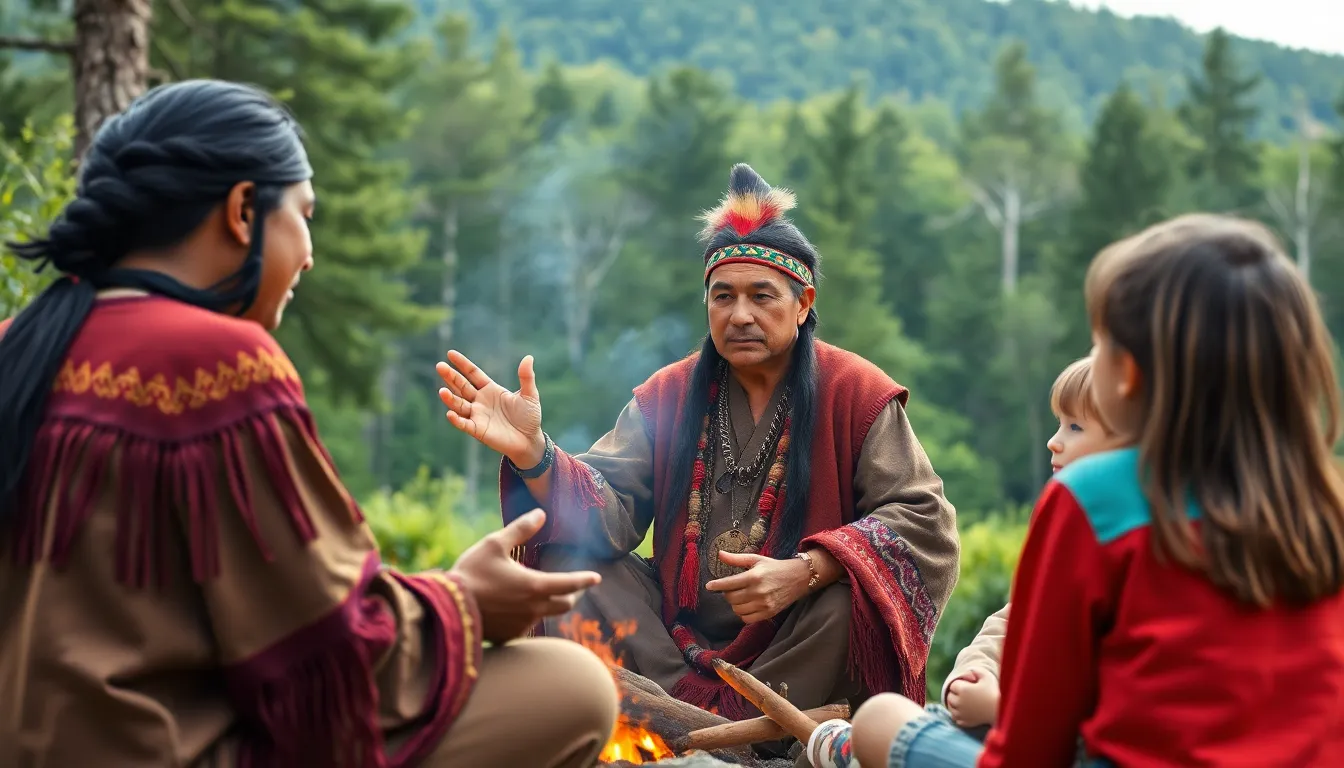

Indigenous practices have stood the test of time, evolving like a fine wine—getting better with age while retaining their rich flavors. From sustainable farming techniques to intricate storytelling traditions, these practices are not just relics of the past; they’re living, breathing examples of resilience and adaptation.
As the world races toward modernization, the wisdom of indigenous cultures offers a refreshing pause. It’s like hitting the brakes on a speeding train to appreciate the scenic route. Exploring the evolution of these practices reveals how they’ve adapted to contemporary challenges while preserving their core values. So buckle up for a journey that’s both enlightening and entertaining, and discover how these age-old traditions continue to shape our world today.
Historical Context of Indigenous Practices
Indigenous practices evolved through rich histories, deeply rooted in their cultural contexts. These practices reflect the wisdom and knowledge accumulated over centuries.
Traditional Practices in Pre-Colonial Times
Communities practiced agriculture, hunting, and gathering, often using methods that promoted ecological balance. They cultivated crops, such as maize and beans, with techniques that enhanced soil fertility. Oral traditions played a significant role, passing down stories and teachings across generations. Spiritual beliefs often influenced rituals, connecting communities to nature and reinforcing their relationships with the land.
Impact of Colonization on Indigenous Cultures
Colonization drastically altered indigenous ways of life, leading to significant disruptions. Forced land treaties and resource extraction marginalized many communities. Prioritized cultural assimilation led to the loss of languages and traditions, creating long-lasting impacts. Despite these challenges, many indigenous groups maintained resilience, blending traditional practices with new influences. The aftermath of colonization shaped ongoing struggles for cultural preservation and social justice.
Modern Adaptations of Indigenous Practices
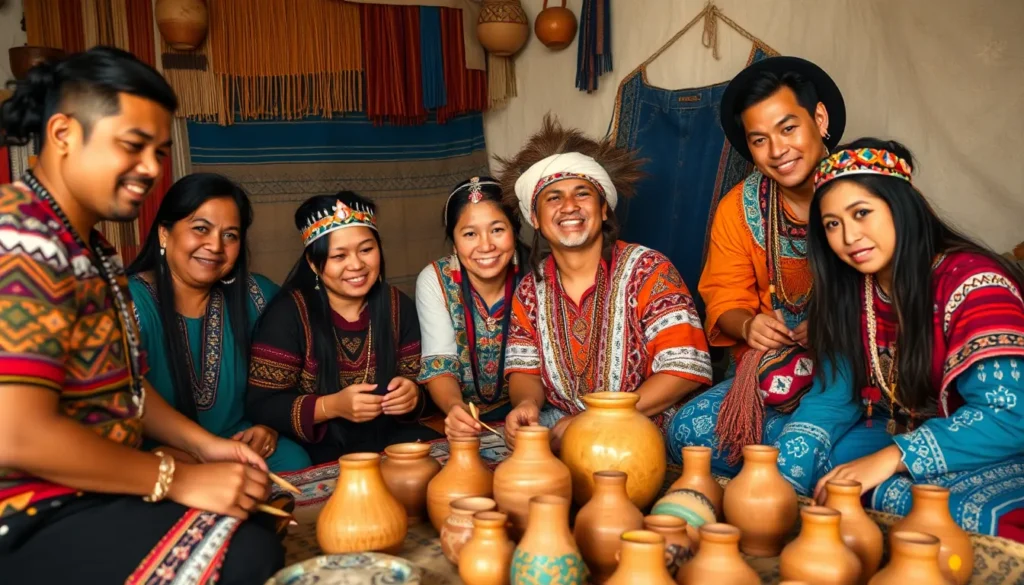
Indigenous practices continue to adapt and thrive in the modern world. These adaptations reflect an alignment with contemporary values while preserving their core significance.
Integration of Technology in Traditional Rituals
Technology plays a critical role in elevating traditional rituals. Many communities incorporate digital platforms for storytelling, allowing for wider sharing of their heritage. Social media offers a space for cultural expression, where traditions are showcased and celebrated. Additionally, virtual reality experiences help educate others about indigenous practices, making them more accessible. Filmmaking and podcasting enable storytellers to preserve oral histories while reaching broader audiences. As modern technology interweaves with tradition, it enhances cultural pride and community engagement.
Revitalization of Cultural Heritage
Cultural heritage revitalization is essential in today’s indigenous communities. Efforts focus on language preservation, with programs emerging to teach indigenous languages to younger generations. Workshops in traditional crafts, such as weaving or pottery, reconnect individuals with ancestral skills. Festivals celebrating indigenous cultures foster a sense of belonging and unity. Collaborations with educational institutions promote awareness of indigenous history and contemporary issues. Through these initiatives, communities strive to assert their identities and ensure the longevity of their practices. This revitalization highlights the strength and resilience inherent in indigenous cultures, allowing them to flourish moving forward.
Case Studies of Indigenous Practices
Indigenous practices vary significantly across different regions, reflecting unique cultural adaptations and histories. These case studies illustrate the diversity and resilience of indigenous communities today.
North American Indigenous Tribes
North American tribes demonstrate innovative agricultural techniques rooted in traditional knowledge. The Iroquois, for instance, utilize the Three Sisters method, which cultivates corn, beans, and squash together to promote growth and balance. The Navajo harness a deep understanding of the land, practicing rotational grazing that ensures sustainable livestock management. Many tribes, including the Lakota, engage in cultural ceremonies that honor their connection to nature. These practices not only aid in environmental sustainability but also strengthen communal bonds, preserving essential cultural narratives through storytelling.
Indigenous Communities in Australia and New Zealand
Australian Aboriginal groups showcase a profound connection to the land through practices like fire-stick farming, which uses controlled burns to maintain healthy ecosystems. This technique promotes the growth of native plants and supports biodiversity. In New Zealand, Māori communities embrace cultural revitalization through traditional crafts, such as weaving and carving. These art forms carry historical significance, reflecting ancestral knowledge and identity. Language revival initiatives among Māori foster cultural pride and continuity. Each of these practices highlights the ongoing evolution of indigenous cultures as they adapt to contemporary challenges while maintaining their unique identities.
Challenges Facing Indigenous Practices Today
Indigenous practices confront various challenges today, impacting their continuity and evolution. These challenges stem from environmental changes and socio-political issues.
Environmental Changes and Their Effects
Climate change significantly affects indigenous lands and resources. Shifting weather patterns, rising temperatures, and extreme weather events disrupt traditional agricultural practices. For instance, droughts hinder crop production, while flooding damages vital habitats. Ecosystems undergo changes that threaten biodiversity and reduce access to natural resources. Land degradation further limits the ability of indigenous communities to sustain their livelihoods. Adaptations in traditional practices become necessary as these environmental challenges persist.
Socio-Political Issues and Activism
Legal frameworks directly influence the rights of indigenous peoples. Land disputes and policy decisions often marginalize these communities and disregard their connections to ancestral territories. Social justice movements arise as advocates push for recognition and rights that promote cultural preservation. Activism strives toward reclaiming land and fostering self-determination in governance. Local, national, and international organizations often support indigenous voices, striving for policy changes that enhance protections. Strength in community organization empowers these groups to confront socio-political obstacles effectively.
The evolution of indigenous practices showcases remarkable resilience and adaptability in the face of numerous challenges. These traditions not only survive but thrive in contemporary society, blending ancient wisdom with modern influences. As indigenous communities continue to reclaim their narratives and cultural identities, they reinforce the importance of sustainability and community connection.
The integration of technology into traditional practices highlights a dynamic approach to preserving heritage while reaching broader audiences. Through storytelling and cultural revitalization initiatives, indigenous peoples are not only safeguarding their history but also enriching the global cultural landscape.
Recognizing and supporting these evolving practices is vital for fostering a deeper understanding of the complexities and contributions of indigenous cultures in today’s world.